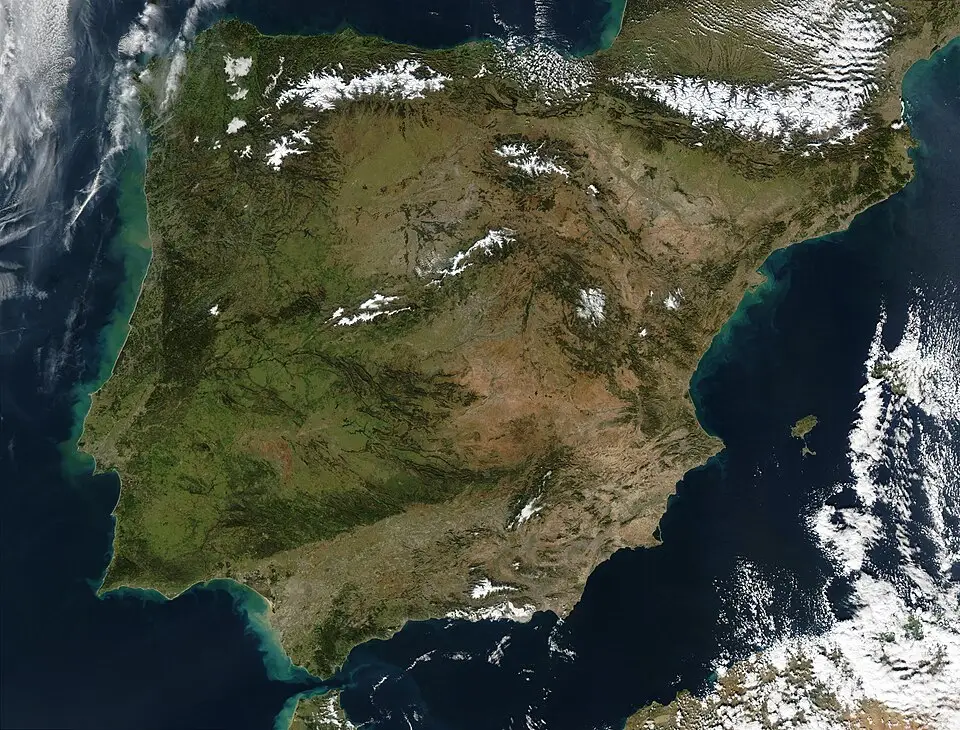
Galicia
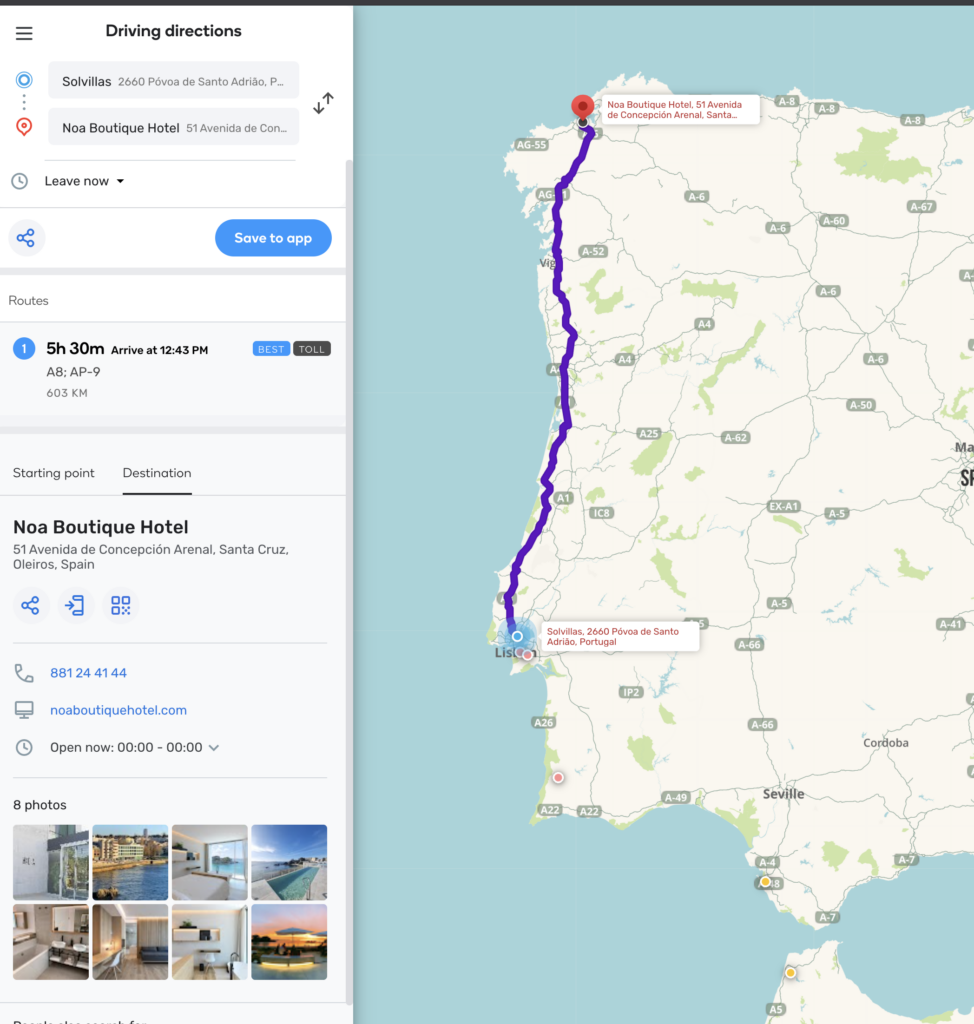
Destination 1: Galicia
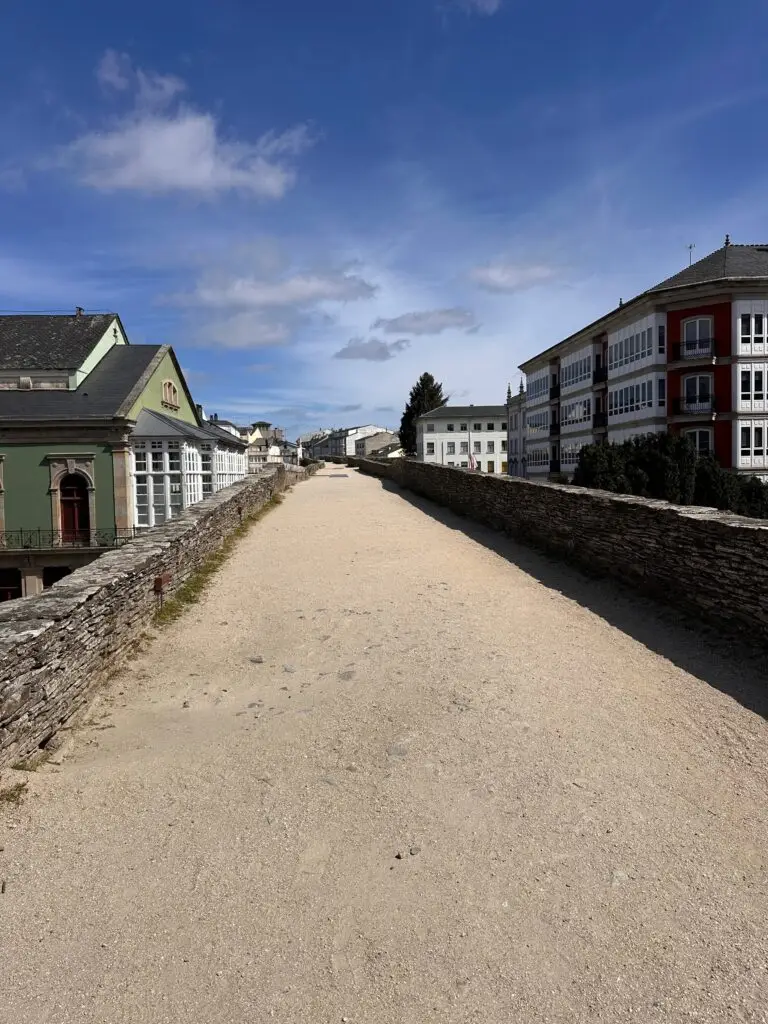
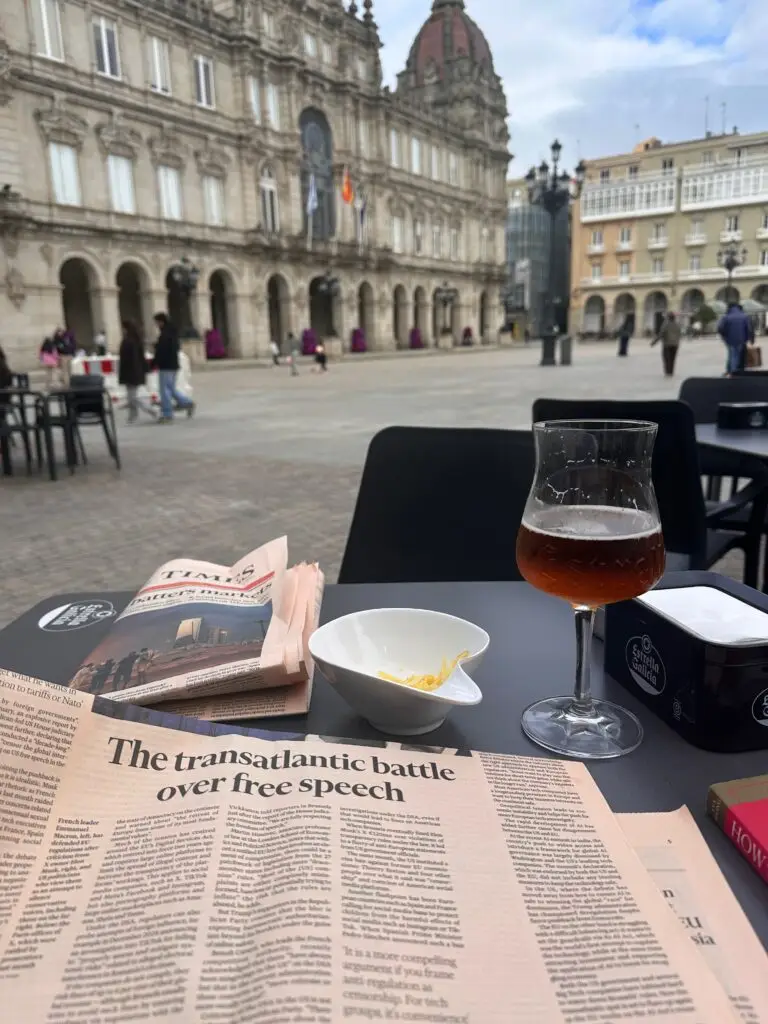
Galicia is an autonomous region of Spain, which maintains it’s own language (Galiza) and culture. Galicia is known for its Celtic heritage and historic ties to the Gallaeci people. Bagpipes, known in Galicia as the “gaita galega,” are a central symbol of Galician culture and identity, with roots tracing back to at least the 9th century.Galicia became a Roman province in the 3rd century AD and later part of various kingdoms, including the Suebi, Visigoths, and kingdom of Asturias. Green, forested and mountainous, it’s ecosystems are distinct from the rest of Spain. Galicia is the home of Inditex, parent company of Zara, Pull&Bear & Massimo Dutti, and of Estrella Galicia beer. The main attractions I want to see are the Torre de Hércules, UNESCO-listed Ancient Roman lighthouse Muralla Romana de Lugo, the remains of 2km-long Roman city walls built in the 3rd century with 46 remaining towers
Lugo
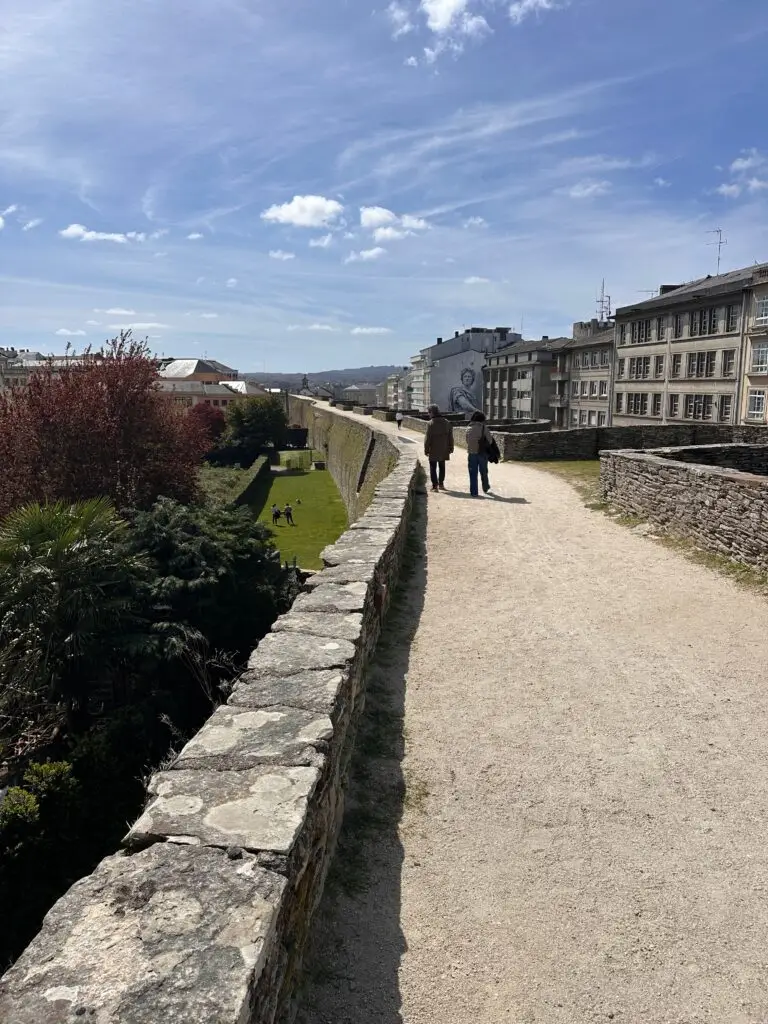
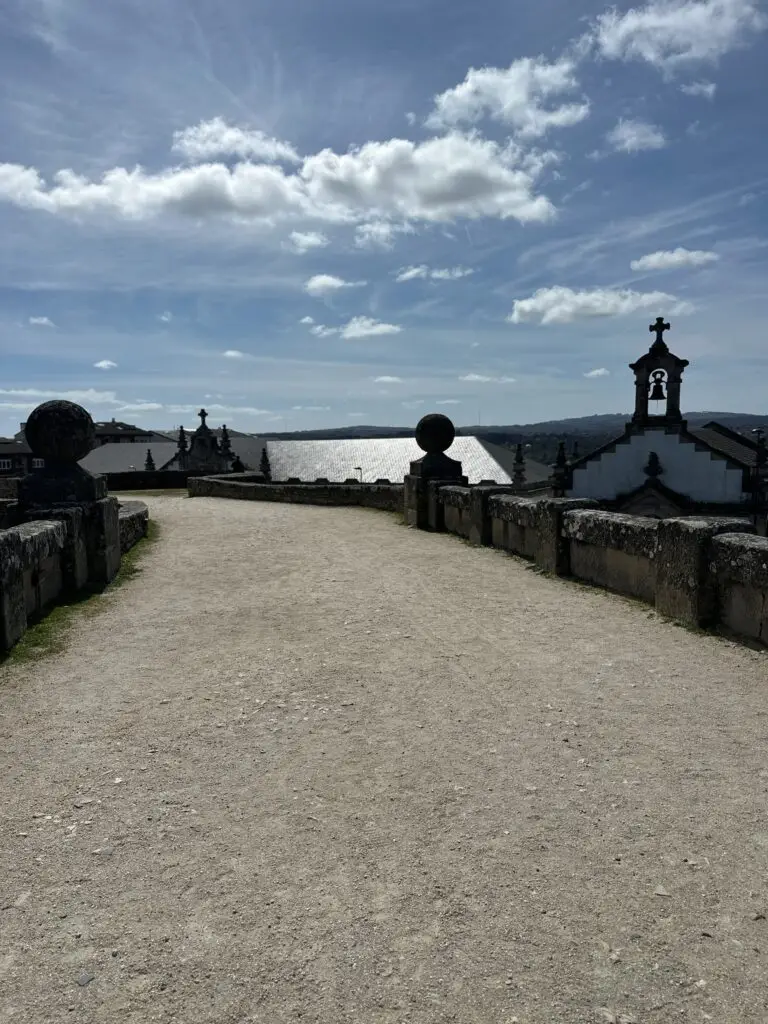
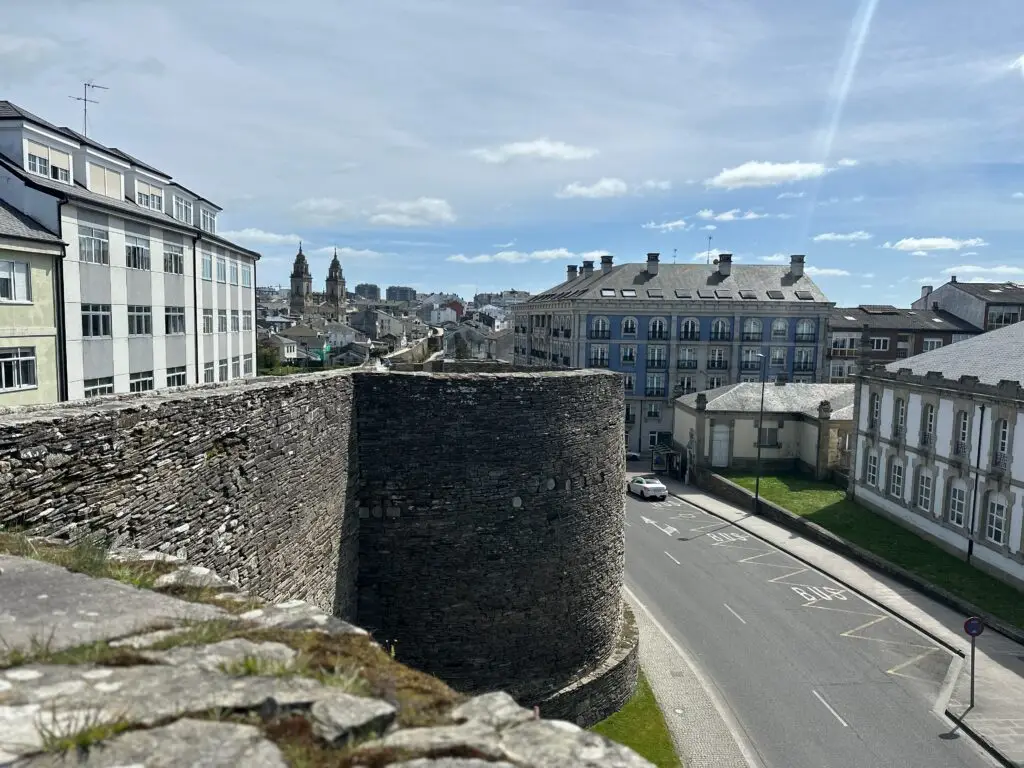
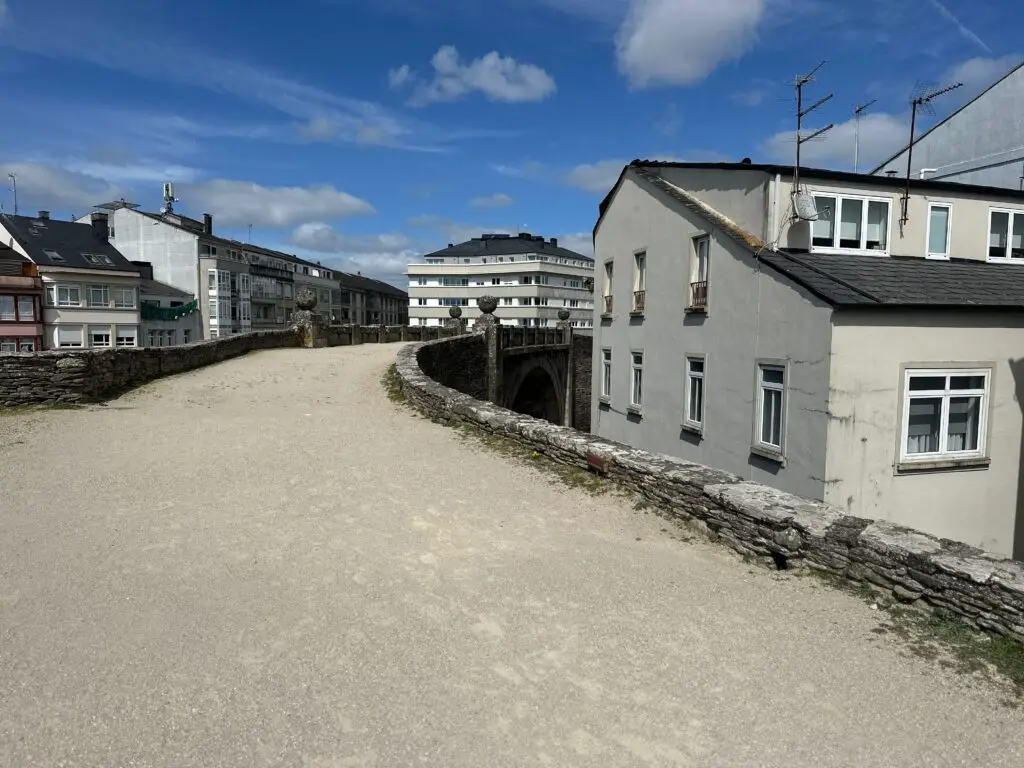
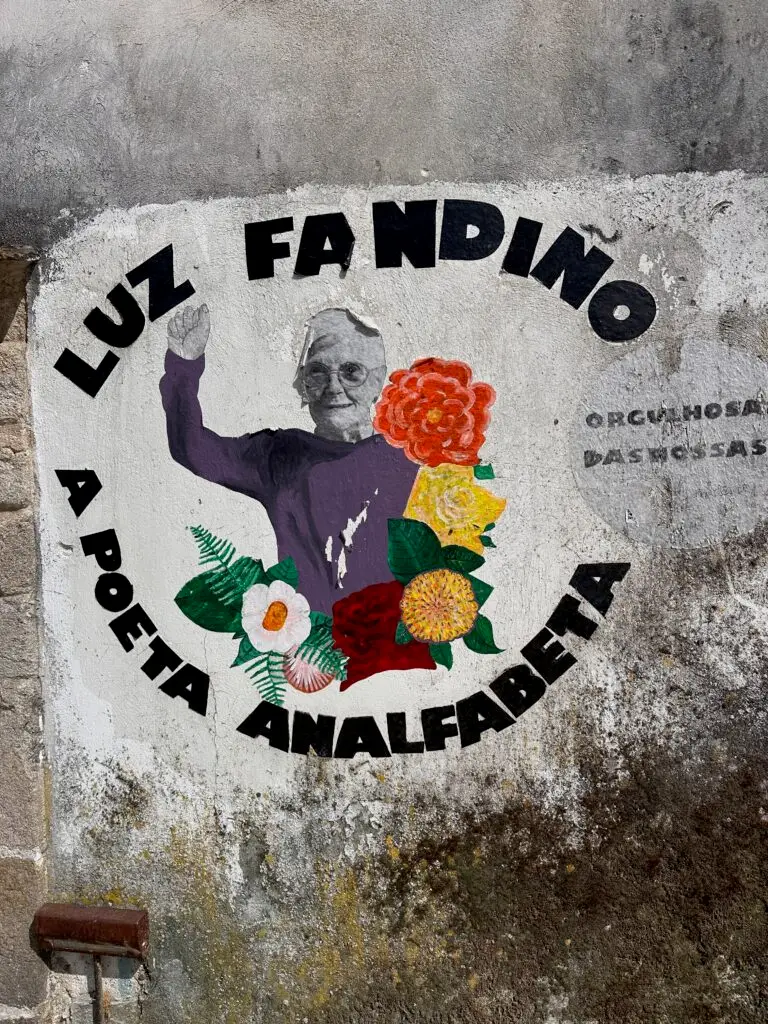
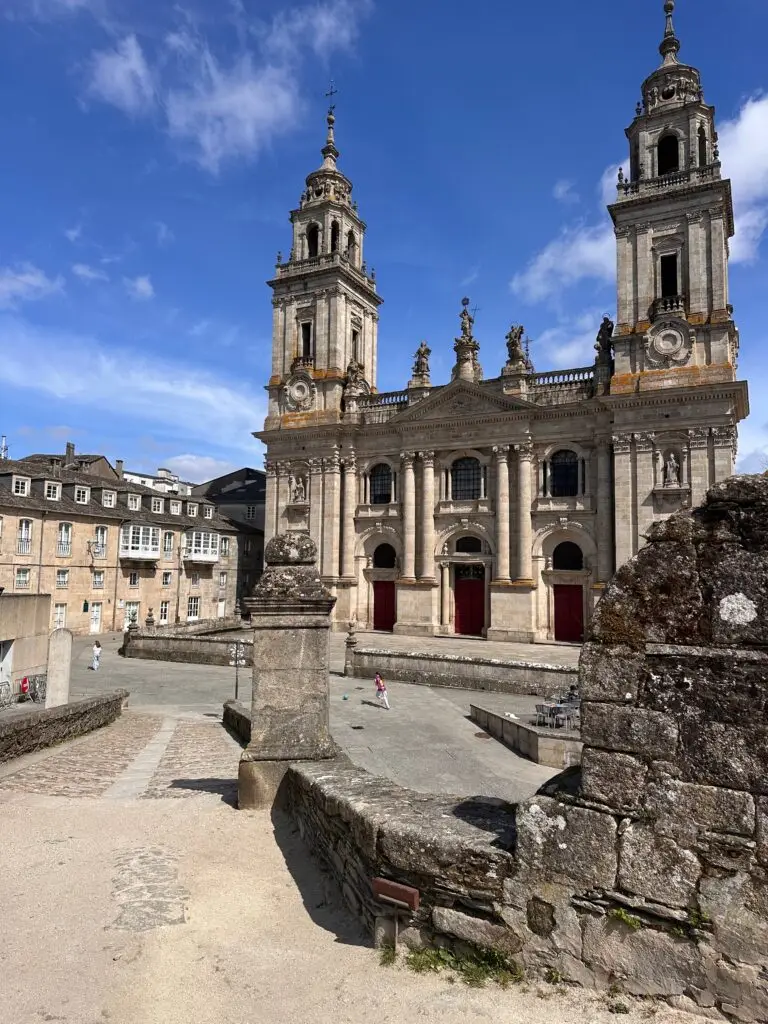
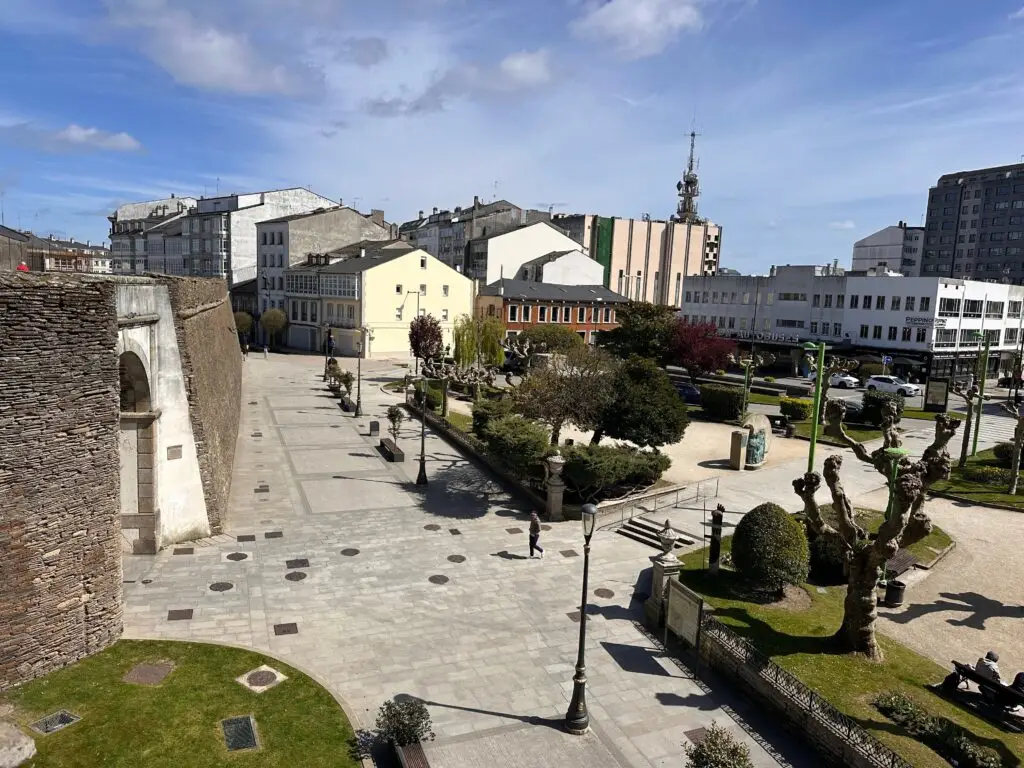
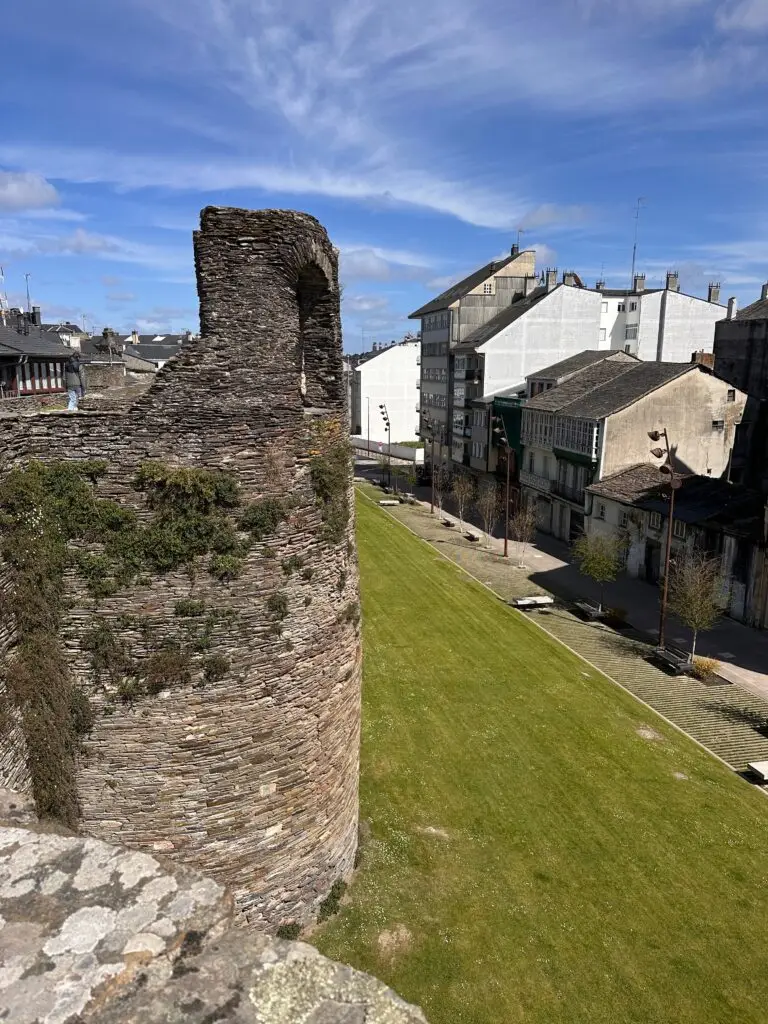
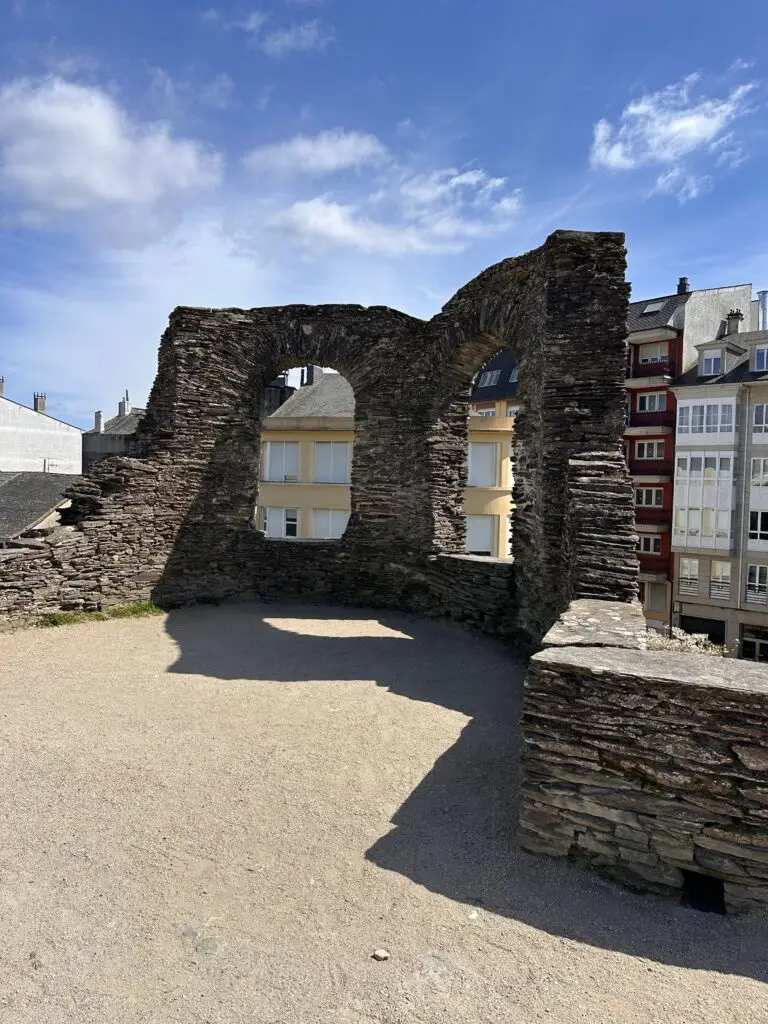
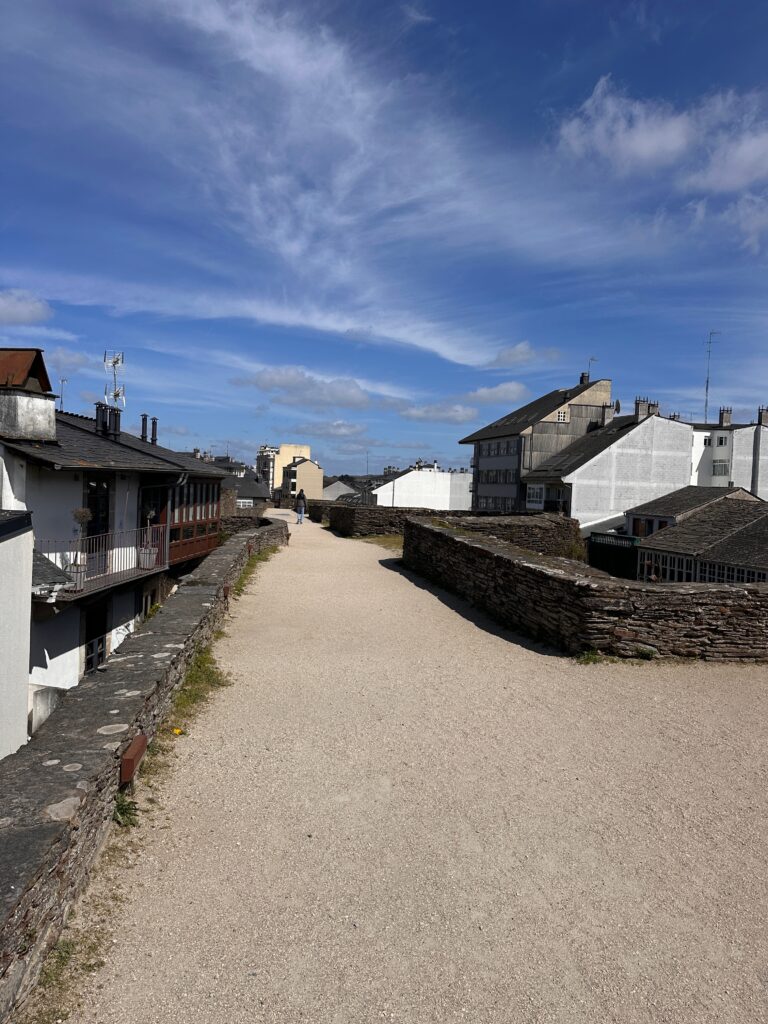
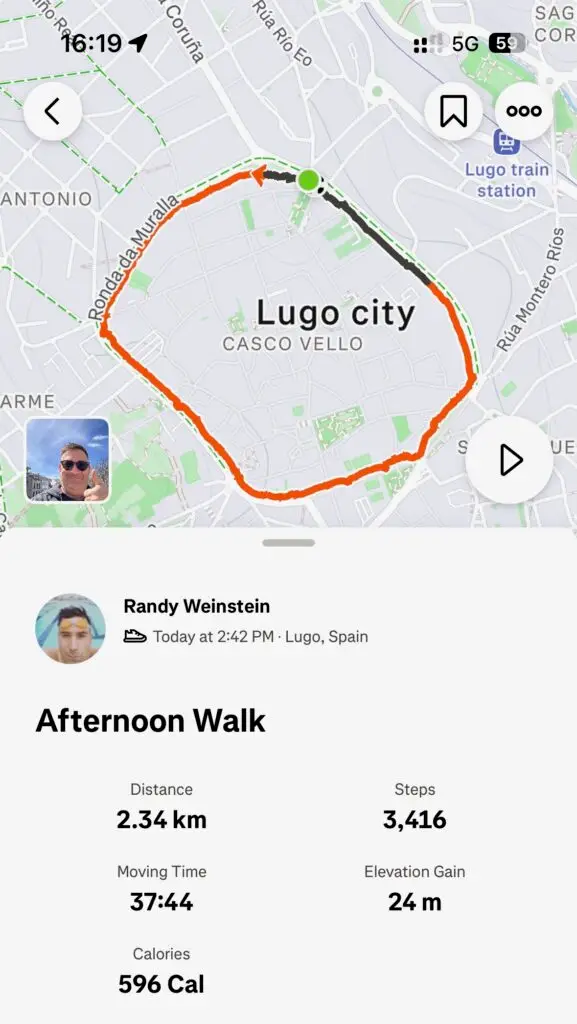
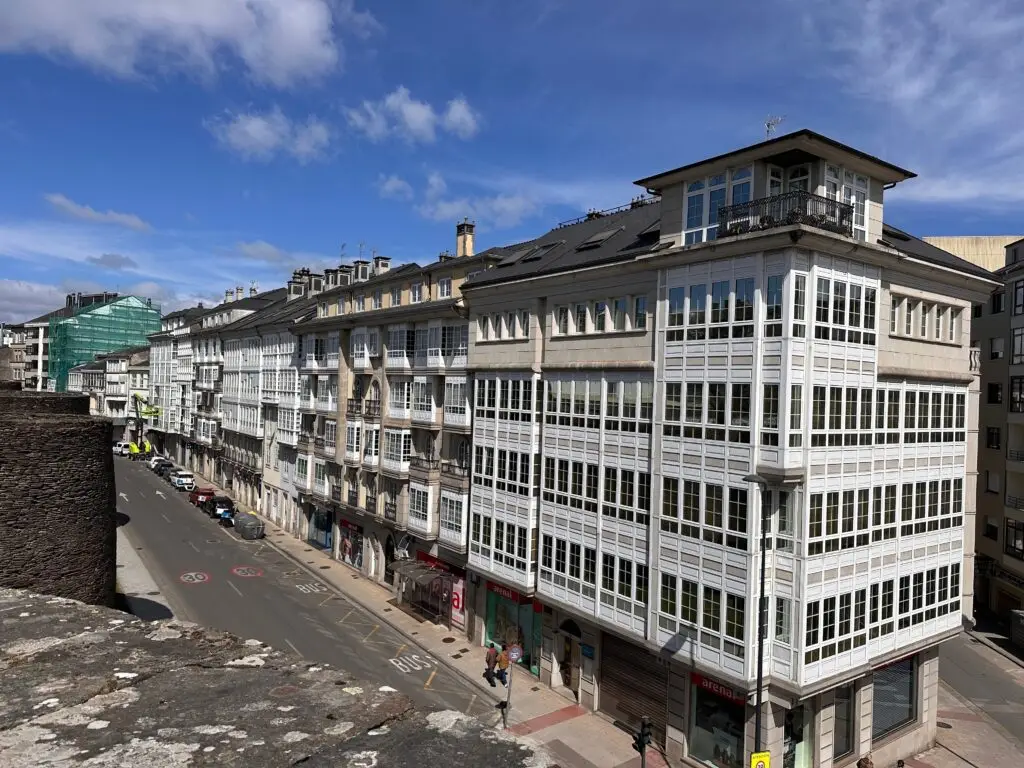
The Roman walls of Lugo are the only completely intact Roman fortifications in the world to surround a city, stretching 2,120 meters around the historic center of Lugo, Galicia, Spain. Built between 263 and 276 AD to defend the Roman colony of Lucus Augusti against local tribes and Germanic invaders, these walls were declared a UNESCO World Heritage Site in 2000 for being the finest example of late Roman military architecture in Western Europe.

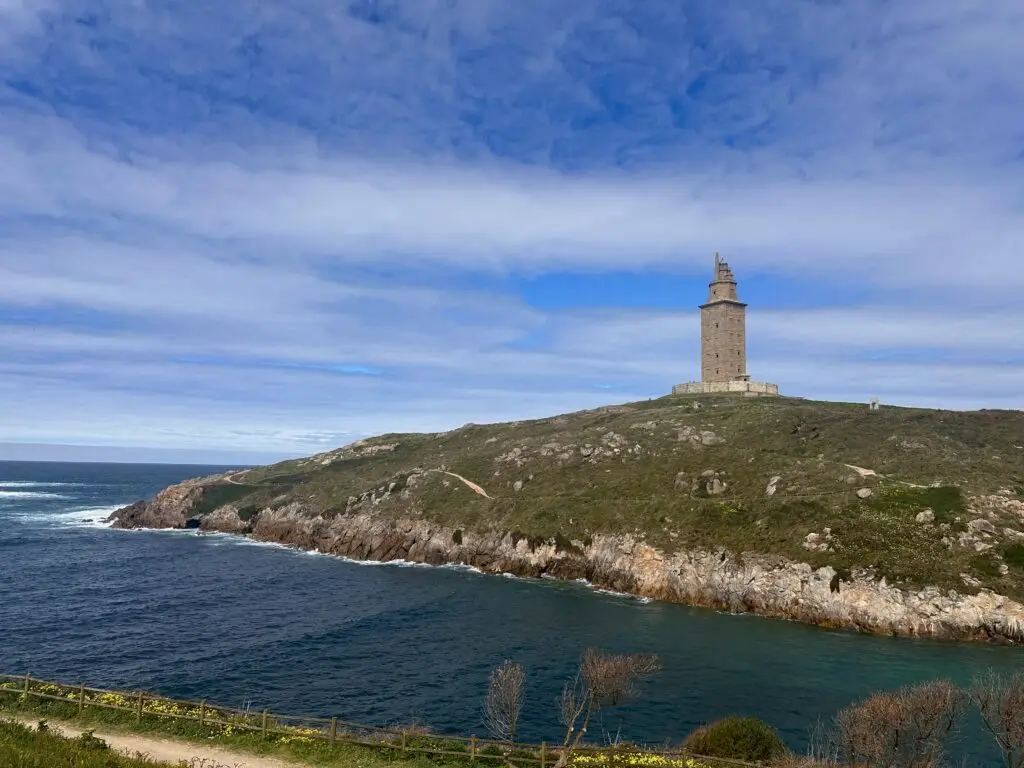
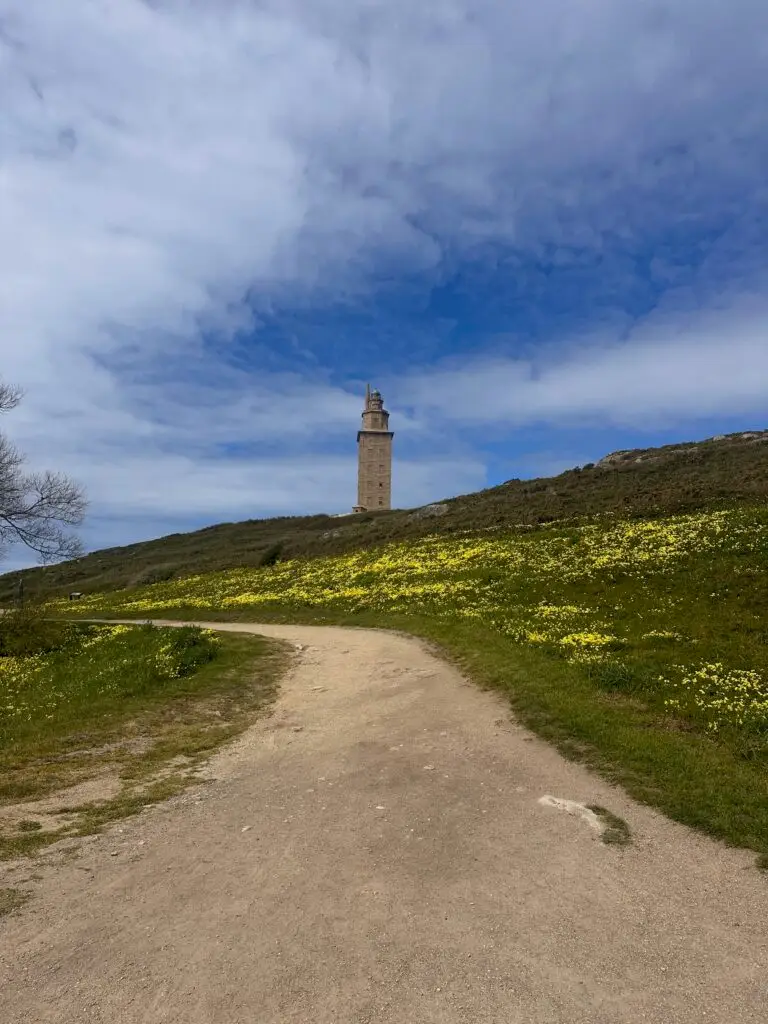
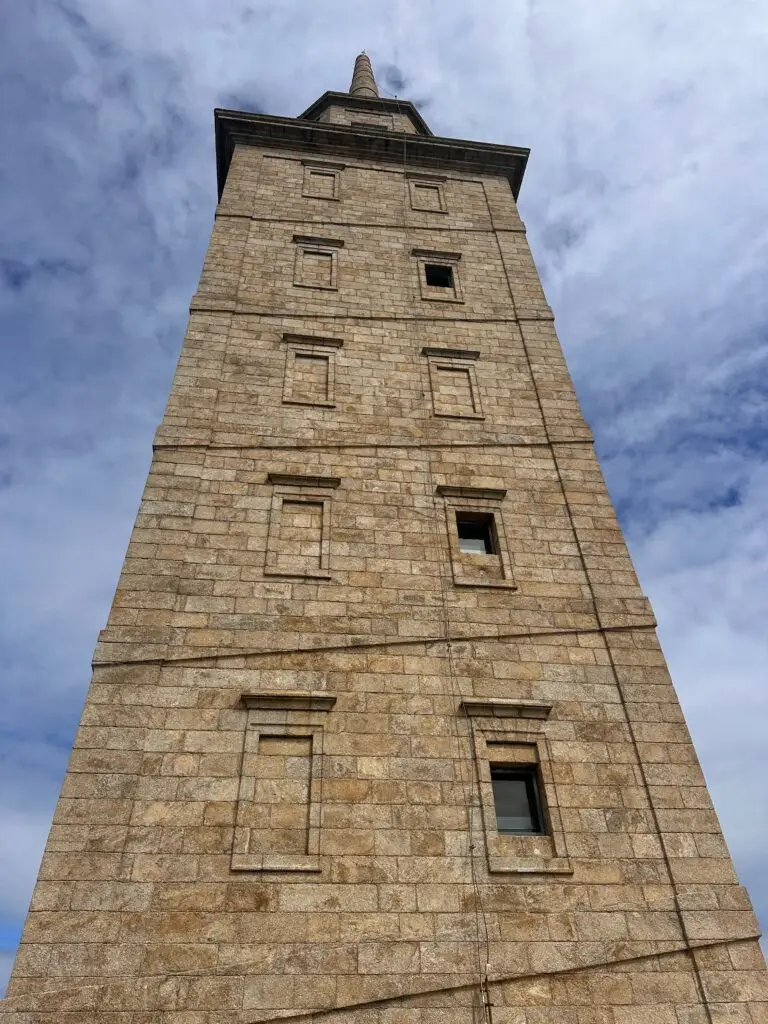
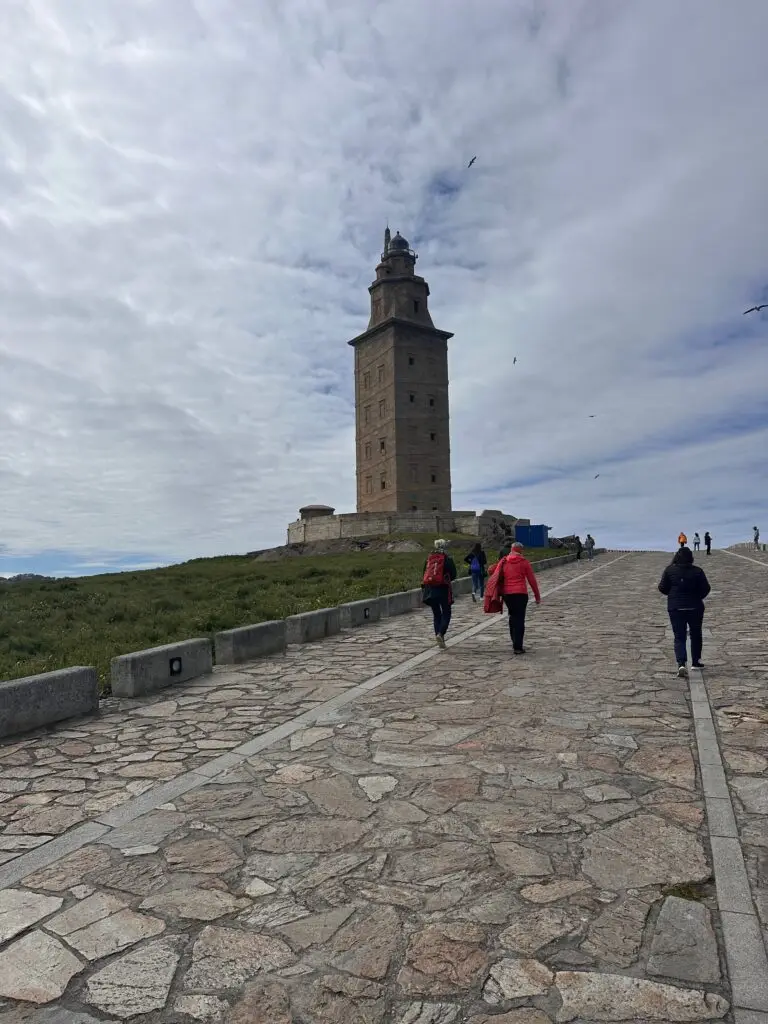
Tower of Hercules, A Coruña, Galicia, Spain
The Tower of Hercules is the oldest known extant Roman lighthouse in the world, located in A Coruña, Galicia, Spain, and has served as an active navigational aid since the late 1st century AD. Originally named Farum Brigantium, this 55-metre tall structure was likely built during the reign of Emperor Trajan (98–117 AD) by the architect Caius Sevius Lupus and remains the only Roman lighthouse still in operation today.


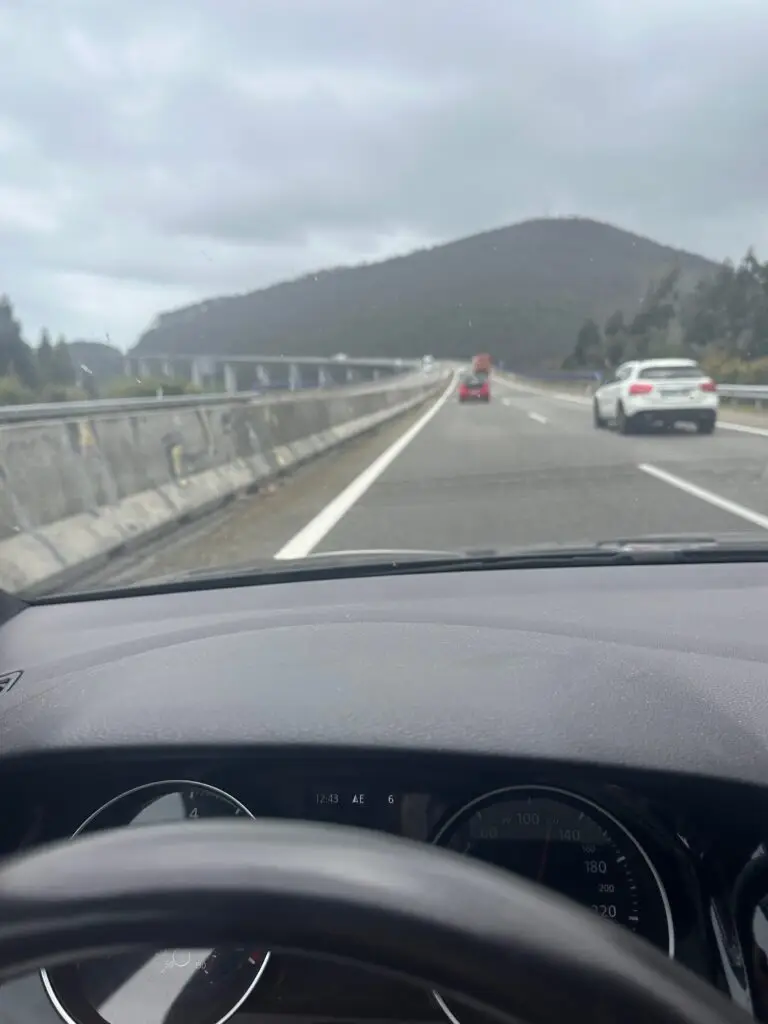
Euskadi (Basque Country)
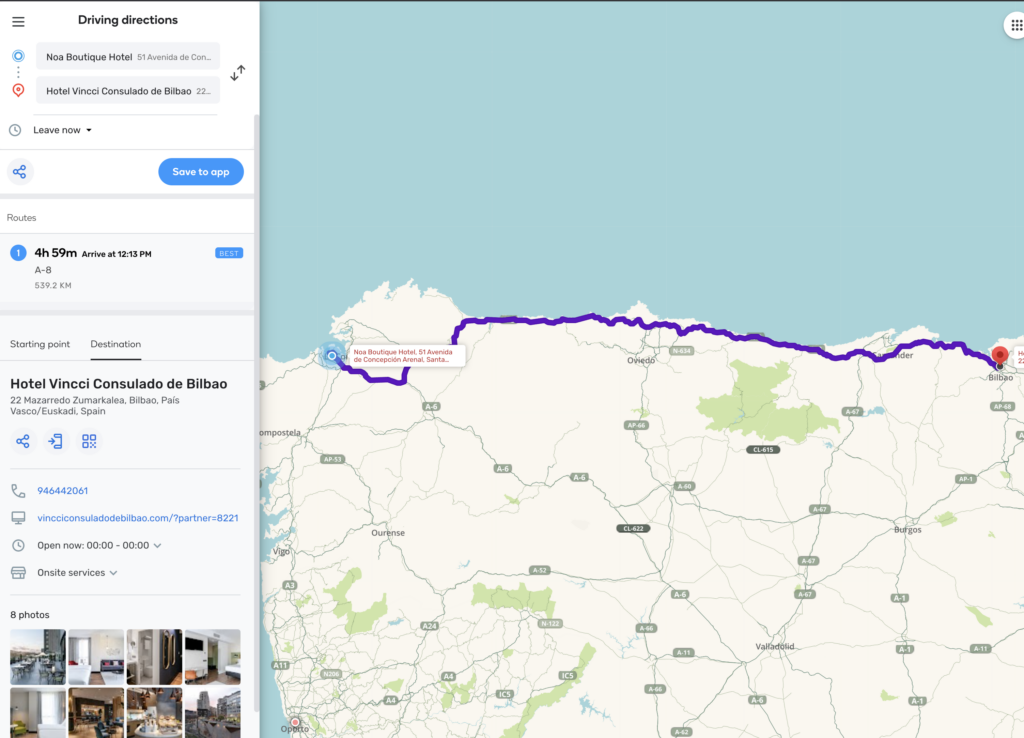
Destination 2: Euskadi (Basque Country)
The Basque Country (Euskadi) is a culturally rich region that straddles northern Spain and southwestern France, united by its unique language, Euskara—the only non-Indo-European language in Western Europe. This ancient tongue, with no known linguistic relatives, is a source of immense pride and identity for the Basque people. The region is renowned for its stunning landscapes, from the green hills and dramatic coastline of the Bay of Biscay to the vibrant cities of Bilbao and San Sebastián.
Basque cuisine is celebrated worldwide, especially for its pintxos (elaborate tapas) and Michelin-starred restaurants. San Sebastián, in particular, is a gastronomic capital, while Bilbao blends industrial heritage with modern art, exemplified by the Guggenheim Museum. The Basque Country’s distinct culture, resilient language, and culinary excellence make it one of Europe’s most fascinating destinations.
Qi Gong Retreat
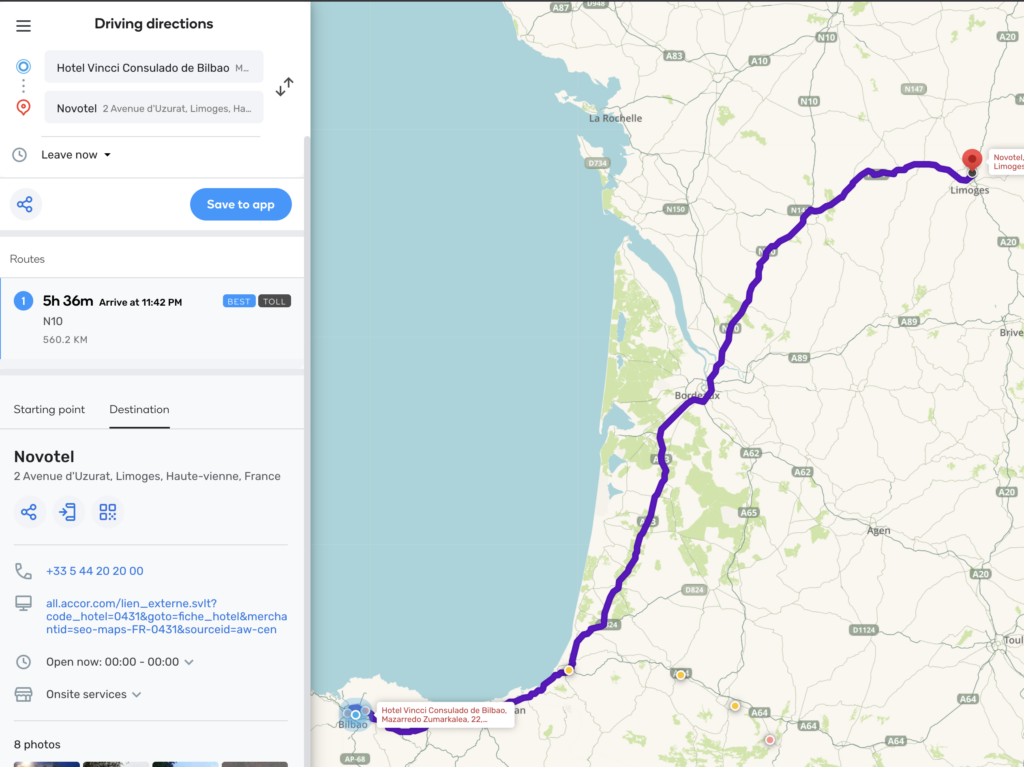
Main Destination: Qi Gong Retreat
Qi Gong is a centuries-old Chinese practice that combines gentle physical movements, breath control, and meditation to cultivate and balance chi, or life energy. I have been practicing Tai Chi since I was a teenager in Vancouver, but unlike Vancouver and Toronto, Europe does not have a sizeable Asian population or very much knowledge about Asian culture. Since Tai Chi requires memorization of 108 complex movements in a sequence that last 10-20 minutes, it is best practiced in a group. These groups practice in most parks in Vancouver or Toronto every morning, but in Europe, this barely exists. Qi Gong can be practiced by one’s self, with simpler, repetitive movements or static postures, with a more meditative attitude. It is my hope that learning Qi Gong will allow me to reap all the benefits of Tai Chi but in the forced solitude of the European context. This effort should reap massive benefits for my physical, mental and spiritual health.
Carcassonne
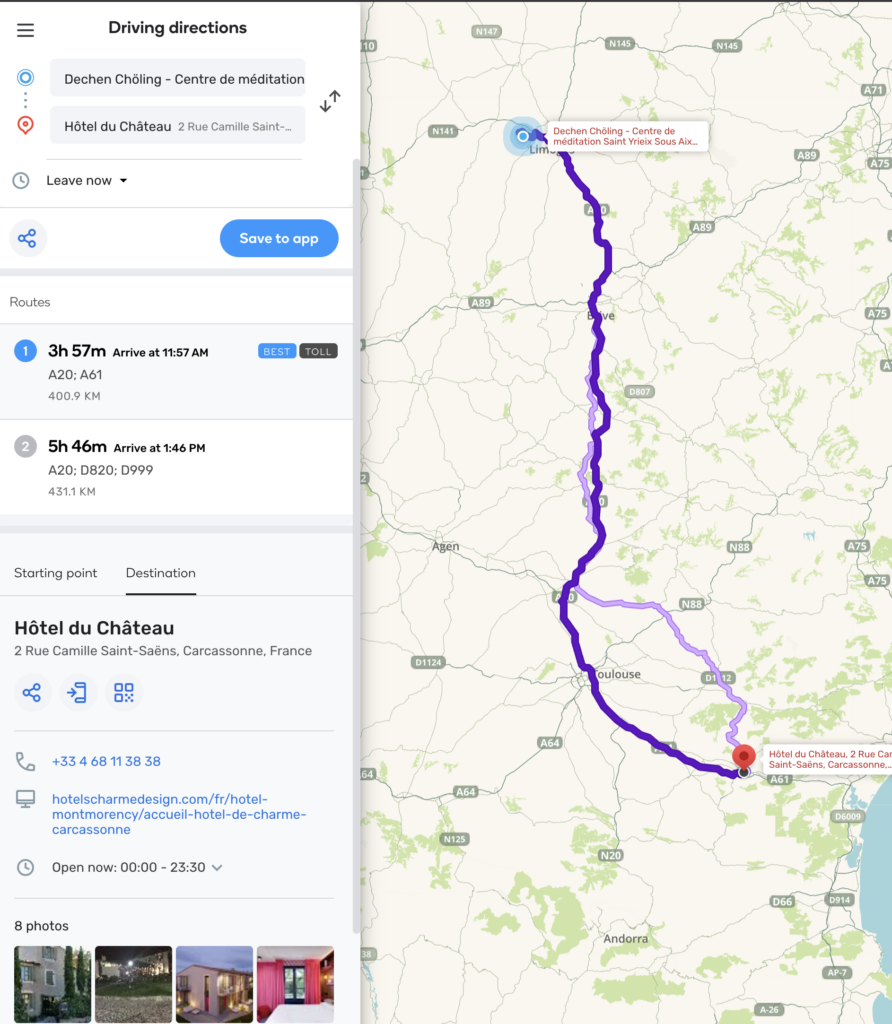
Carcassonne
Carcassonne is a medieval fortress city in southern France, famous for its stunning double-walled fortifications and fairy-tale skyline. The UNESCO-listed Cité de Carcassonne, with its towers, drawbridges, and cobbled streets, is one of Europe’s best-preserved walled cities and a living relic of the Middle Ages
Girona
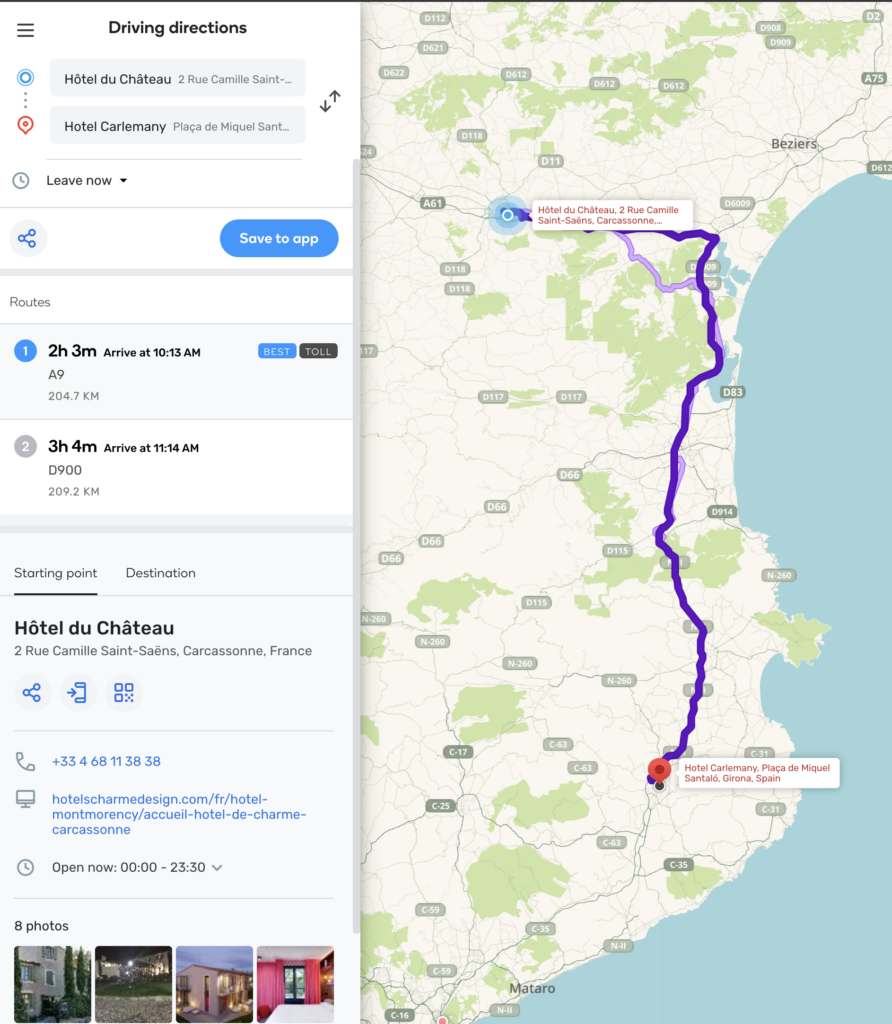
Catalonia Destination 1: Girona
Girona is a jewel of Catalonia, where medieval charm and vibrant culture converge along the banks of the Onyar River. Its iconic Eiffel Bridge, colourful riverside houses, and the imposing Girona Cathedral dominate the skyline. The city’s labyrinthine Jewish Quarter (Call), with its narrow alleys and hidden courtyards, whispers stories of its multicultural past. Girona is also a culinary hotspot, celebrated for its innovative cuisine.
Barcelona
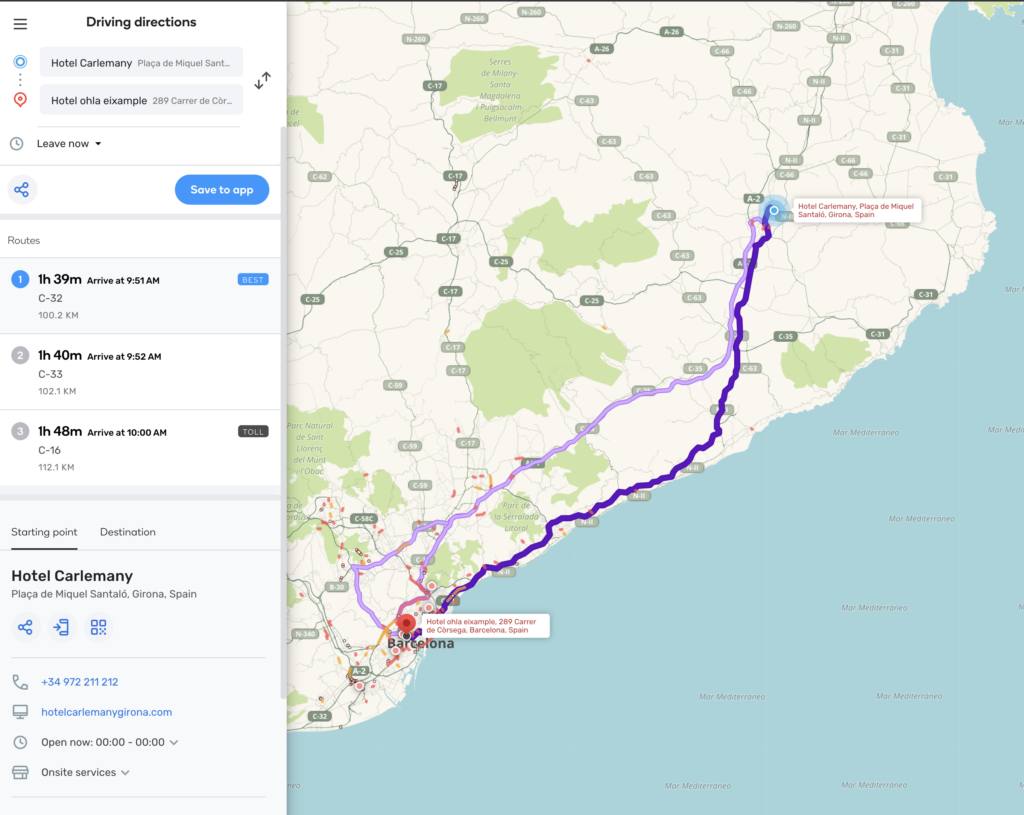
Catalonia Destination 2: Barcelona
Barcelona is a dazzling Mediterranean metropolis where Gothic history and avant-garde innovation collide. Barcelona is the capital of Catalonia, with over 5.6 million in the greater metropolitan area. The city’s architectural soul is defined by Antoni Gaudí’s masterpieces, from the surreal Sagrada Família to the whimsical Park Güell and the elegant Casa Batlló. The Gothic Quarter’s labyrinthine streets reveal Roman ruins and hidden plazas, while the lively La Rambla and Boqueria Market pulse with energy.
Sitges
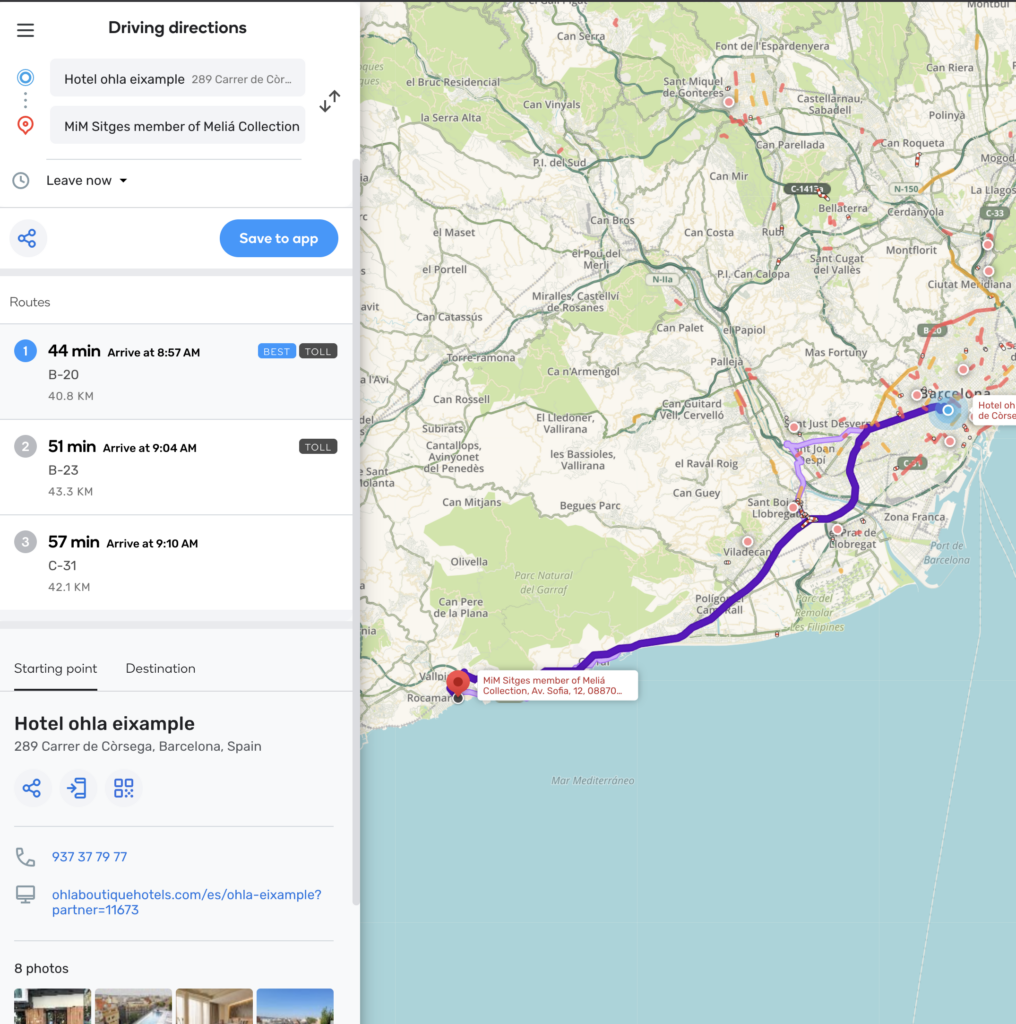
Catalonia Destination 3: Sitges
Sitges is a vibrant, sun-drenched coastal town just 35 kilometers south of Barcelona, celebrated as one of Europe’s most iconic LGBTQ+ destinations. With its golden beaches, lively nightlife, and open-minded atmosphere, Sitges has been a haven for the gay community since the 1960s. The town’s charming old quarter, lined with whitewashed buildings and boutique shops, contrasts with its legendary beach clubs and annual Sitges Pride (one of the continent’s biggest and most flamboyant). Beyond its reputation for inclusivity and hedonism, Sitges boasts a rich cultural scene, including film festivals, modernist architecture, and some of Catalonia’s best seafood.
Madrid
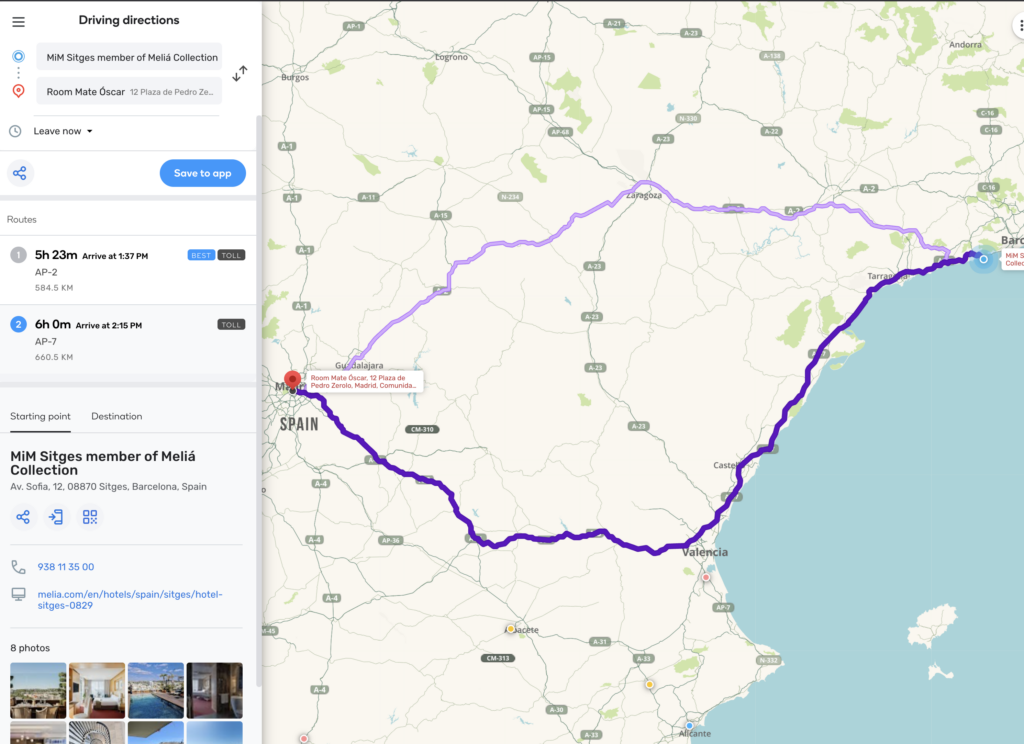
Last stop before home: Madrid
Madrid is Spain’s dynamic capital and largest city, with a population of about 3.3 million in the city proper and over 6.7 million in the metropolitan area, making it one of Europe’s most influential urban centers. As the political, economic, and cultural heart of Spain, Madrid is home to the royal family, the Spanish government, and global corporations, as well as world-class institutions like the Prado Museum, Reina Sofía, and Thyssen-Bornemisza, which house masterpieces by Goya, Velázquez, Picasso, and Dalí. The city’s grand boulevards, such as the Paseo del Prado and Gran Vía, blend historic elegance with modern energy, while its legendary nightlife, from flamenco tablaos to cutting-edge clubs, earned it the nickname “the city that never sleeps.”
Lisbon
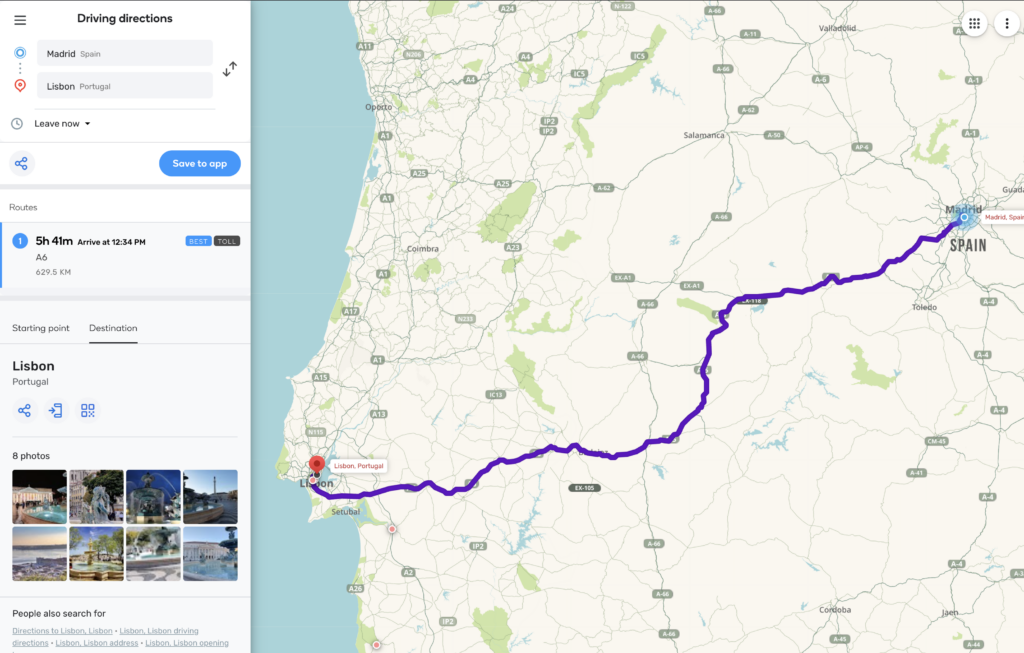
Home: Lisbon
Well what can I say about this place? Home sweet home.